.png)
Human vs. AI: Why Authentic Storytelling is the Future of Digital Strategy
Updated: Jul 30
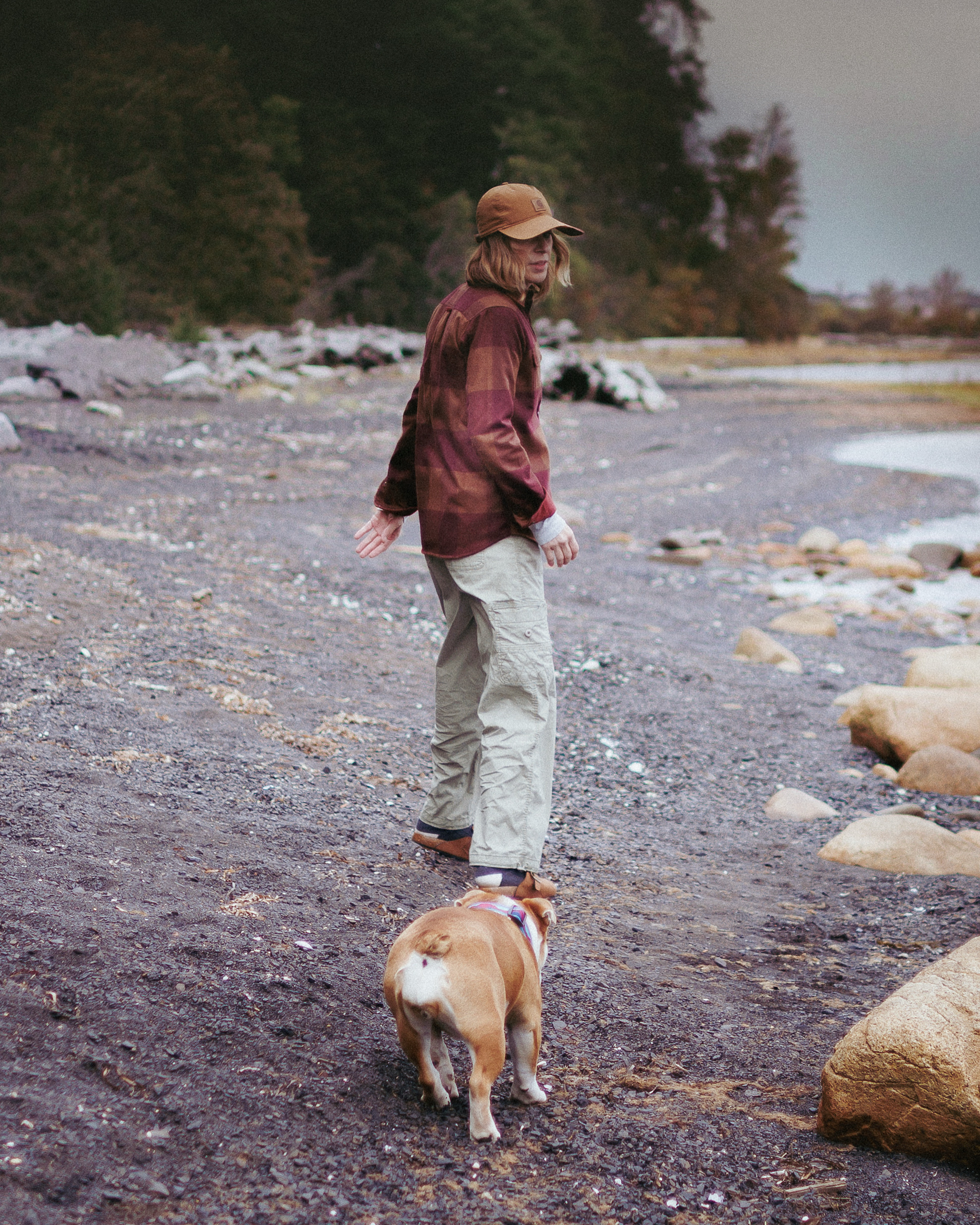
We are living in an era where AI is woven into nearly every digital platform we touch. It has become increasingly difficult to decipher between authentic photography and images compiled by algorithms. As synthetic perfection becomes the new baseline, I find myself moving in the opposite direction. I am doubling down on the unfiltered and the raw—those rare, human moments that build a genuine connection between a subject and its audience.

The Trust Gap
For brands and organizations, trust is the most valuable asset we can build with an audience. As AI tools blur the line between computer-generated composites and human-captured moments, we have to ask ourselves: do we want our audience to lead with skepticism?
By choosing the authentic over the synthetic, you aren't just making a design choice; you are making a commitment to your audience that you value the truth.
When a viewer has to wonder if an image is "real," the connection is already broken. To stand out in a saturated market, you want your people to know without a doubt that your brand represents something grounded. This certainty is built through the small, unscripted details of raw, unfiltered branding. It is a visceral sense of presence that AI cannot replicate.
AI can mimic patterns, but it cannot replicate the nuance of a moment born from a creative heart. It cannot replace the intentionality of a strategist who has been "in the wild," understanding the soul of a project. By choosing the authentic over the synthetic, you aren't just making a design choice; you are making a commitment to your audience that you value the truth.
Grounded Visuals vs. Synthetic Outputs
When I am out in the field, I am not just looking for a composition. I am drawn to the textures, the smells, and the specific way light filters through the trees. My senses and my emotions become intertwined, and my camera is simply the tool I use to capture those fleeting, visceral details.
You might wonder: how does this apply to a brand selling something as functional as a coffee maker?
An AI can generate a "perfect" image of a coffee machine in a pristine kitchen, but that image is silent. It is sterile. It lacks the steam rising in a cold morning kitchen, the worn texture of a favourite ceramic mug, or the authentic shadows cast by a real sunrise. When a brand chooses grounded, human-led photography, they aren't just showing a product. They are inviting the audience into a sensory experience.
Those small, "imperfect" details are what trigger a memory or a desire in the viewer. They signal that the product exists in the same world the customer lives in. By prioritizing these raw, sensory-driven visuals over synthetic AI outputs, a brand moves from being a generic vendor to becoming a part of the consumer's daily ritual.
The Future is Human
As we navigate a future where AI is the default, the choice to remain grounded is a competitive advantage. Whether I am documenting a remote landscape or building the digital infrastructure for a global cause, my goal is the same: to ensure the human element is never lost in the digital noise.
Comments