.png)
The Intrinsic Value of Empathy
- Renée Nicole
- Apr 28
- 4 min read
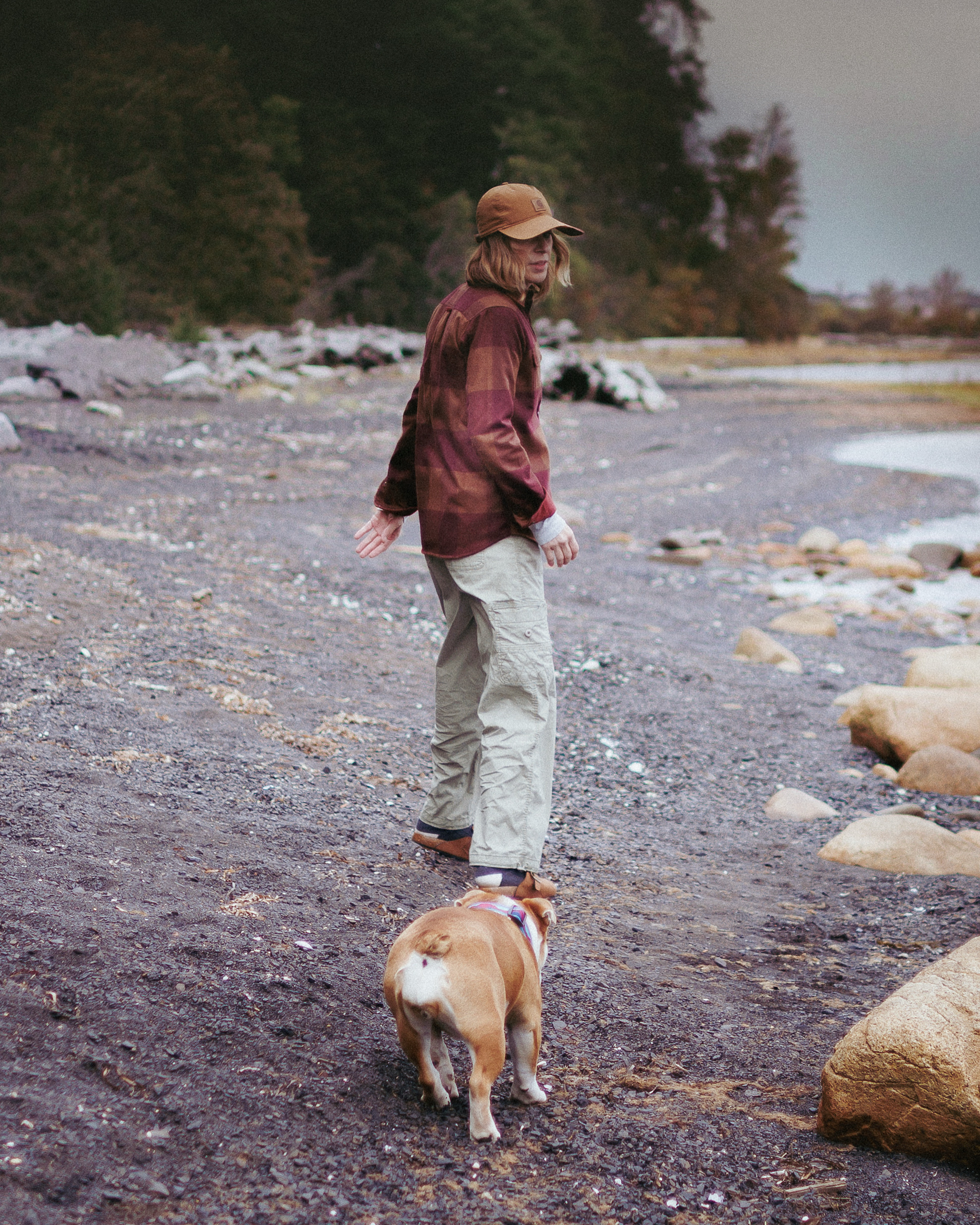
Empathy is the new superpower in all walks of life. I see it as something we are severely lacking as a society, a deficit that has become painfully apparent over the last decade. To me, true empathy is not a professional tactic; it is the quiet, consistent act of cultivating genuine compassion for the people around us and the fragile environments we inhabit. How can we return to a place in which empathy and compassion isn't compartmentalized and utilized only when it's convenient?

For too long, I have watched the professional world obsess over cold acquisition. We are conditioned to prioritize financial gain, constantly operating under the fearful assumption that we must beat the next person before they have a chance to beat us. I have asked myself many times: at what cost? We are reaching a saturation point where this aggressive, transactional culture is failing us.
The Problem with Commodification
It is common to see business advice arguing that companies should adopt empathy simply because consumers are looking for connection. That perspective, for me, completely misses the mark. Suggesting that a brand should use empathy as a vehicle to drive higher conversion rates or increase loyalty turns a fundamental human virtue into a hollow marketing strategy.
Commodifying empathy for capital gain is, frankly, gross. It strips the act of its humanity and replaces genuine connection with a calculated, performative show. True authenticity cannot be manufactured or deployed in a slide deck. When empathy becomes a tool for leverage, it ceases to be empathy at all.
Defining True Empathy
In my experience, true empathy comes from within. It is intrinsic, not performative. Ever since I was a little girl, I felt feelings deeply. Music touched me on a level I could not explain, and I remember being overwhelmed by tears when a bug was squished. I was confused then, as a child, about why someone would intentionally hurt another living thing.
I am still confused by that today.
When we shift our focus from "what can I get" to "how do we relate," the entire structure of how we work changes.
That raw, sometimes uncomfortable ability to witness the pain, happiness, and complex emotions of another person, or the suffering of an animal, is the root of my experience. It is the foundation of the kind of leadership I strive to emulate. It requires the authenticity to show up as a whole person, acknowledging that we are not just professionals, but humans sharing a space. When we shift our focus from "what can I get" to "how do we relate," the entire structure of how we work changes. It shifts from a series of adversarial transactions to a web of authentic human relationships.
Expanding Our Scope: The Radical Responsibility of Empathy
This capacity for empathy has to extend beyond our human counterparts. If we are to truly change our trajectory, we must demonstrate that same compassion for the natural world and the animals we share this planet with. True empathy requires moving beyond intellectual concern and shifting toward active, radical responsibility.
We must stop viewing nature as a resource bank and start acting as stewards. This means integrating Traditional Ecological Knowledge into how we manage our surroundings, acknowledging that there are older, wiser ways of living in balance with the land. It means practising active observation, which is slowing down to witness the specific, individual lives within an ecosystem, whether that is a wolf pack or a salmon run. When we treat our immediate environment as a living neighbour rather than a backdrop, it becomes much harder to support policies that view nature through a lens of destruction or extraction.
Moving Forward: Taking Action
Integrating empathy into our work is not about drafting a new mission statement or launching an empathy-themed ad campaign. It is about the quiet, difficult work of building a culture where people, and the environments that sustain us, are treated with inherent value rather than as assets.

To begin this work, we can take these tangible steps today:
Audit Your Interactions: In your next meeting or conversation, intentionally replace a transactional goal, such as closing a deal or proving a point, with the goal of understanding the other person's perspective. Listen without an agenda.
Practice Presence in Nature: Dedicate time each week to observe your local ecosystem without distraction. When you witness the lives of the animals and plants in your region, treat them as subjects worthy of respect rather than objects in your path.
Challenge Destructive Narratives: When you see policies or professional practices that treat the environment, people or wildlife as disposable, speak up. Authenticity requires the courage to say that something is not okay, even when it is unpopular.
Prioritize Human and Ecological Health: Stop looking at the bottom line as the only measure of success. In your business or personal life, start measuring success by the health of your relationships and the resilience of the local environment you occupy.
This shift requires courage. It requires the strength to be vulnerable and authentic in professional environments that often reward hardness. But in a world that has become increasingly fragmented, I have found that the ability to genuinely connect is the most effective tool we have for building something that actually lasts.

If you are struggling with how you can weave this level of depth and authenticity into your own business or advocacy work, you do not have to do it alone. I work with leaders and organizations dedicated to fostering genuine connection and ecological stewardship. Reach out to me, and let’s talk about how to bring this perspective into the work you are doing.


Comments